The Real Truth: Creative Pebble Pro or H2O Audio Tri 2 Pro?
When choosing audio gear, the context of use determines everything. A compact desktop speaker and a purpose-built swim headphone live in different worlds, yet both carry the same promise: better sound for a specific need. This article compares the Creative Pebble Pro and the H2O Audio Tri 2 Pro across real-world use cases, buyer priorities, and meaningful technical considerations so readers can pick the device that actually solves their problems.
Introduction: Different tools for different tasks
At first glance the Creative Pebble Pro and the H2O Audio Tri 2 Pro do not compete — one is a desktop speaker system, the other is an aquatic headphone/player designed for swimmers. Yet consumers often face cross-category choices when deciding where to allocate budget: upgrade the home workspace audio or invest in specialized sports audio? Understanding strengths, limitations, and typical buyer concerns clarifies what each product brings to the table.
Who each product is for (short summary)
- Creative Pebble Pro — Best for people who want compact, reliable desktop sound for work, video meetings, casual music, and light gaming. It targets users who prioritize clarity, simple setup, and a small footprint on a desk.
- H2O Audio Tri 2 Pro — Built for swimmers, triathletes, and anyone who needs audio that functions reliably in water. It’s for users who want music or coaching audio during laps, open-water swims, or multi-sport training where standard Bluetooth headphones fail.
Detailed Product Analysis
Creative Pebble Pro — desktop clarity and convenience
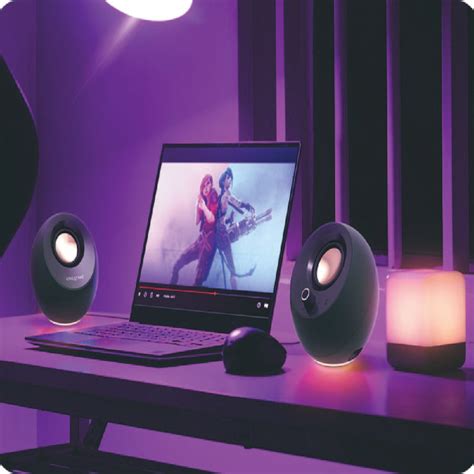
The Creative Pebble Pro is positioned as a compact desktop speaker system. Its design emphasizes a small footprint and an aesthetic that blends into modern workspaces. The product typically appeals to people who spend long hours on a desk and want better audio than laptop speakers without committing to a large, power-hungry setup.
Real-world use cases:
- Work-from-home setups: clearer speech reproduction for video calls and conference software.
- Content consumption: movies, streaming, and casual music listening where a balanced midrange and intelligible dialogue matter more than deep sub-bass.
- Small-room gaming: an affordable way to improve spatial cues for single-player gaming on a desktop.
- Secondary speaker system: useful as a compact, easy-to-move speaker for dorm rooms or shared apartments.
Buyers typically care about size, ease of setup, compatibility with laptops and phones, and a clean audio profile that doesn't distort at normal listening volumes. For many, the convenience of USB power or simple wired inputs is a major selling point: plug, play, and minimal configuration.
H2O Audio Tri 2 Pro — audio that actually works in water
The H2O Audio Tri 2 Pro targets a niche but important market: aquatic athletes and swimmers who need reliable audio while submerged. Regular Bluetooth headphones fail underwater because radio waves do not transmit well through water. Devices like the Tri 2 Pro are engineered to overcome that limitation through waterproof housings, secure-fit earpieces, and often onboard storage or specialized transmission methods.
Real-world use cases:
Shop the latest Audio & Headphones picks on Amazon.
See Deals →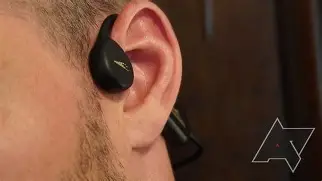
- Lap pool training: listening to music or swim-coach audio while maintaining stroke technique and counting laps without removing the device.
- Open-water swims: secure fit and water resistance for beach or lake training and triathlon sessions.
- Triathletes: a single device that survives wet conditions and can be used for multiple sports segments where water exposure is expected.
- Coaching and drills: playback of pace cues, intervals, or coaching recordings directly in the ear during sets.
Buyers shopping for swim headphones care about fit, how well the device stays in place during turns and dives, audio intelligibility under water, file transfer workflow, battery life for long training sessions, and how easy it is to clean and maintain the device after chlorine or saltwater exposure.
Pros & Cons
Creative Pebble Pro
- Pros:
- Compact and space-friendly for desktop use.
- Generally clear midrange and vocal presence suitable for calls and media.
- Simple connectivity options for computers and phones (wired and often USB).
- Minimal setup — good out-of-the-box experience for non-audiophiles.
- Cons:
- Limited bass extension compared with larger speakers or subwoofers.
- Not suitable for outdoor or wet environments.
- May lack advanced features (dedicated EQ app, multi-room) found in higher-end systems.
H2O Audio Tri 2 Pro
- Pros:
- Designed to function reliably in water where Bluetooth cannot.
- Secure fit and durability for lap swimming, turns, and open-water conditions.
- Often includes dedicated controls and onboard storage for offline playback.
- Materials and seals built to resist chlorine and saltwater when maintained properly.
- Cons:
- Not intended for casual desktop music listening — sound profile optimized for underwater audibility rather than fidelity.
- File transfer workflows can be less convenient than Bluetooth streaming; users must manage onboard files.
- Fit and comfort vary with ear shape; proper selection of tips and retention clips is necessary.
Feature-by-Feature Comparison
| Category | Creative Pebble Pro | H2O Audio Tri 2 Pro |
|---|---|---|
| Primary use | Desktop speaker for work, media, and light gaming | Waterproof headphone/player for swim training and aquatic sports |
| Environmental suitability | Indoor, dry environments (home office, dorm) | Submersion-capable; designed for pools and open water |
| Connectivity | Wired/USB connections; may include Bluetooth for wireless desktop use | Onboard playback with file transfer; Bluetooth typically not usable underwater |
| Portability | Compact but best used near a desk or power source | Highly portable and rugged for athletic use |
| Sound focus | Balanced midrange, clear vocals, usable bass for small rooms | Intelligibility underwater; emphasis on clarity over musical warmth |
| Battery & power | USB-powered or rechargeable (depends on model); designed for continuous desktop use | Designed to last through workouts; charging and file transfer workflow varies |
| Price & value | Usually priced as an affordable upgrade to laptop speakers | Specialized product — higher per-dollar cost but fulfills a unique need |
Buying Guide: How to choose between them
Rather than asking which product is objectively better, buyers should start with the question: "What problem do I want to solve?" Below are core buyer priorities and how each product addresses them.
1. Intended environment and use
If most listening happens at a desk, the Creative Pebble Pro is the sensible choice. It improves spoken-word clarity and small-room music listening without taking space or attention. If the requirement is audio during swims or wet runs, the H2O Tri 2 Pro — engineered for submersion and secure fit — is the appropriate, sometimes only, option.
2. Sound priorities: fidelity vs. intelligibility
Desktop speakers prioritize fidelity within a constrained footprint: a natural midrange and realistic vocal reproduction. Swim headphones prioritize intelligibility under water where the physics of sound change and the device must battle ambient water noise. Choose based on whether musical nuance (Pebble Pro) or audible coaching/cues while submerged (Tri 2 Pro) is more important.
3. Connectivity and convenience
Bluetooth streaming and USB connectivity are ideal for modern workstations — ease of pairing, immediate playback, and app control. In contrast, reliable underwater audio often requires onboard storage and manual file transfer because wireless radio signals don't transmit through water well. Accept the workflow trade-offs: if seamless streaming is essential, a desk speaker or standard headphones are better; if underwater reliability is essential, expect a slightly more hands-on setup with swim audio gear.
4. Comfort and fit
For speakers, "fit" is about space and aesthetic: will the unit sit comfortably on the desk without clutter? For swim headphones, fit is the most critical factor. A poor fit means lost audio at the wall, irritated ears after long sets, or a device that dislodges during flip turns. Buyers should test eartips, ear hooks, and retention systems where possible or buy from vendors with flexible return policies.
Find top-rated Audio & Headphones products at great prices.
View Offers →5. Durability and maintenance
Desktop speakers require minimal maintenance beyond dusting. Swim devices need regular rinsing after chlorinated or saltwater exposure, drying, and careful storage to preserve seals and charging contacts. Factor in ongoing care when deciding which product suits the lifestyle.
6. Budget and long-term value
A budget-conscious user who wants better everyday audio on a desk will usually find more value in a desktop speaker upgrade than in an aquatic specialist. Conversely, triathletes and regular swimmers will see greater long-term value in swim-specific hardware because alternatives simply do not function during submersion.
Practical tips before buying
- Test fit for swim gear: If possible, try eartips and retention systems in a pool before committing. Fit is highly individual.
- Check warranty and water-damage policy: Water-exposed devices often have different warranty terms. Understand what is covered and what maintenance is expected.
- Consider file transfer workflow: If the swim device uses onboard storage, ensure the transfer method (app, USB dock, or cable) fits the buyer's preferences.
- Think about complementary purchases: A desktop user might later add a small DAC or headphones. A swimmer should consider replacement tips and a protective case.
- Read recent user feedback: Look for reports about real-world longevity — how devices hold up after months of pool use or daily desktop operation.
When to choose which — final guidance
If the need is improved, reliable everyday audio for work, media, or light gaming at a desk, the Creative Pebble Pro is the most practical and cost-effective choice. It trades huge low-end output for a small footprint, clear speech, and plug-and-play convenience.
If the use case is swimming, triathlon training, or any scenario involving regular submersion, the H2O Audio Tri 2 Pro addresses a problem no desktop speaker can solve. Expect a different user experience: a workflow focused on preparation and maintenance but a reward of uninterrupted audio while in the water.
Conclusion
The "real truth" is simple: these products are not direct rivals. They solve different problems and excel in different environments. The Creative Pebble Pro brings accessible, compact desktop sound that upgrades day-to-day listening and work calls without fuss. The H2O Audio Tri 2 Pro solves a niche but real need for aquatic audio where conventional wireless gear fails. The right choice depends entirely on what the buyer wants to do with their audio — improve a workstation or keep music and coaching audible through laps and open-water swims. Selecting the product that matches the intended environment, sound priorities, and maintenance tolerance will deliver the most satisfaction and value over time.